
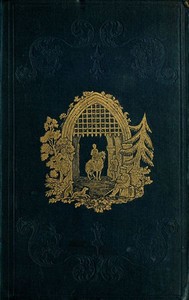
Ruins and Old Trees, Associated with Memorable Events in English History by Roberts
Mary Roberts's Ruins and Old Trees isn't a novel with a plot in the traditional sense. Think of it as a series of quiet, powerful conversations with the English countryside itself. Roberts, writing in the mid-1800s, traveled around England seeking out locations where history felt most alive. She didn't just visit famous castles; she sought the forgotten places—a lone oak in a field, a crumbling abbey gatehouse, a gnarled yew in a churchyard. Her book is a record of these places and the legendary or historical events they silently witnessed.
The Story
There's no linear narrative here. Instead, each chapter focuses on a specific tree or ruin. Roberts describes what it looks like, often with a touch of poetry, and then tells its story. One chapter might be about an ancient oak that served as a meeting place for outlawed religious dissenters. Another might explore the ruins of a castle where a famous siege took place, imagining the sounds of battle that once echoed off its now-silent stones. She connects these silent witnesses to major events—the English Civil War, the Dissolution of the Monasteries, royal progresses—and to smaller, more personal human dramas. The 'story' is the collective memory of the land, pieced together through folklore, documented history, and Roberts's own thoughtful reflection.
Why You Should Read It
This book changed how I look at my own surroundings. Roberts has a gift for making history feel immediate and tangible. She doesn't just say 'King John signed the Magna Carta here.' She describes the specific tree (if it existed) that might have shaded him, wondering what thoughts passed through his mind in that moment of quiet before changing the world. Her writing is deeply respectful of both the past and the natural world. You get a real sense of her personality—curious, observant, and a little melancholy about the passage of time. It’s this personal touch that lifts the book from being a simple guide to something much more moving. It’s about permanence and change, and how nature and human creation hold our stories long after we're gone.
Final Verdict
This is a perfect book for a specific kind of reader. If you love history but wish it felt less like memorizing facts and more like an atmosphere you can step into, you'll adore this. It's for walkers, gardeners, and anyone who's ever felt a strange connection to an old place. It pairs wonderfully with a cup of tea and a rainy afternoon. It’s not a fast-paced read; it’s a slow, contemplative stroll through time. If you enjoy the works of later nature writers or the idea of 'psychogeography'—the emotional layers of a landscape—you'll find a fascinating early pioneer in Mary Roberts. A truly unique and haunting read.
This historical work is free of copyright protections. It is now common property for all to enjoy.
Mary Perez
11 months agoGreat read!
William King
3 months agoA must-have for anyone studying this subject.
Linda Brown
1 year agoThe formatting on this digital edition is flawless.
Michelle Scott
1 year agoTo be perfectly clear, it provides a comprehensive overview perfect for everyone. Thanks for sharing this review.



Steven Garcia
1 year agoI was skeptical at first, but the content flows smoothly from one chapter to the next. Exceeded all my expectations.