
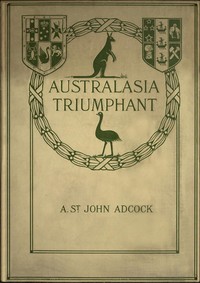
Australasia Triumphant!: With the Australians and New Zealanders in the Great…
Let's be clear from the start: this isn't a novel. Arthur St. John Adcock, a British writer, compiled this during the war to show the British public back home what their colonial troops were achieving. It's a piece of journalism and propaganda of its time, but that's what makes it so compelling today.
The Story
There's no traditional plot. Instead, the book is a mosaic of experiences. It stitches together letters, official reports, and Adcock's own narratives from different battles. One chapter throws you into the sheer horror of the Gallipoli campaign, where ANZACs clung to cliffs under constant fire. The next, you might be reading about the meticulous bravery at the Battle of Romani in the Sinai desert, or the grim, muddy stalemate in the trenches of France. The 'characters' are real soldiers—their names, their units, their acts of courage are recorded. You follow them from training camps in Egypt to some of the war's most brutal fronts.
Why You Should Read It
I picked this up expecting a dusty history lesson, but it's alive with personality. You get the famous ANZAC attitude right from the source: the disrespect for pointless formality, the incredible loyalty to their mates, and a stubborn courage that often baffled their British commanders. Reading their own words about Gallipoli is heartbreaking and awe-inspiring. It also doesn't shy away from the cost. The triumph in the title is hard-won and bittersweet. You come away understanding why Gallipoli, a military defeat, became such a powerful founding myth for Australia and New Zealand. It’s about the birth of a legend, witnessed as it happened.
Final Verdict
Perfect for history buffs who want to move beyond dates and generals, and for anyone curious about the ANZAC spirit. It's also a great read if you've enjoyed modern accounts like Peter FitzSimons' books but want to hear the voices from the era itself. Be prepared for old-fashioned language and a perspective that is very much of its time (1916), but look past that, and you'll find a powerful, immediate, and human collection that brings a vital piece of World War I history sharply into focus.
There are no legal restrictions on this material. It is now common property for all to enjoy.
Oliver Miller
3 months agoAfter finishing this book, it provides a comprehensive overview perfect for everyone. Don't hesitate to start reading.
Susan Allen
5 months agoWithout a doubt, the pacing is just right, keeping you engaged. I will read more from this author.
Kevin White
2 months agoVery interesting perspective.
Carol Harris
1 year agoI started reading out of curiosity and the pacing is just right, keeping you engaged. One of the best books I've read this year.



Ethan Lopez
1 year agoHigh quality edition, very readable.