
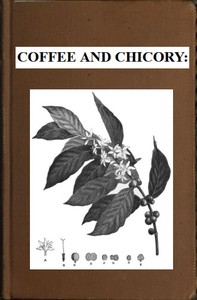
Coffee and chicory : Their culture, chemical composition, preparation for…
Published in 1854, Coffee and Chicory is a fascinating snapshot of a world gripped by coffee mania. Peter Lund Simmonds acts as both a reporter and a cheerleader for the beverage industry of his day. The book is structured as a practical manual, but its heart lies in the sheer enthusiasm for its subject.
The Story
There isn't a traditional plot with characters. Instead, the 'story' is the journey of coffee and chicory from farm to cup. Simmonds walks us through everything: how coffee is grown and harvested across different colonies, the chemical breakdown of the bean (a cutting-edge topic for the time), and the various methods for roasting, grinding, and brewing. He gives equal, if not more, attention to chicory—detailing its cultivation, its unique properties, and his firm belief in its value as a blending agent or even a standalone drink. The narrative tension comes from his mission to elevate chicory from a perceived adulterant to a respected commodity, arguing it makes coffee go further, taste smoother, and be more affordable for the masses.
Why You Should Read It
This book is a delight because it's so earnest. Simmonds isn't a detached historian; he's a true believer in the power of these plants. Reading his detailed descriptions of 1850s coffee-making machines and his warnings against fraud feels like getting advice from a very knowledgeable, slightly obsessive friend from another century. It completely reframes your perspective. Today, 'chicory' on a label might signal a New Orleans-style brew or a caffeine-free alternative. Back then, it was a hot-button issue about economics, empire, and taste. You see the birth of debates we still have about food purity, cost, and authenticity.
Final Verdict
Perfect for history buffs, coffee fanatics, and anyone who loves quirky primary sources. This isn't a breezy read—the language is of its time—but it's incredibly rewarding. You'll never look at your morning cup the same way again. It’s for the reader who enjoys feeling a direct connection to the daily lives and passions of people who lived 170 years ago, all through the lens of something as simple as a hot drink.
This title is part of the public domain archive. It serves as a testament to our shared literary heritage.
Lucas Clark
2 years agoEssential reading for students of this field.
Daniel Miller
1 year agoHigh quality edition, very readable.
Lucas Williams
1 month agoEssential reading for students of this field.
Karen White
11 months agoSolid story.




George Wright
2 years agoI had low expectations initially, however it challenges the reader's perspective in an intellectual way. I learned so much from this.