
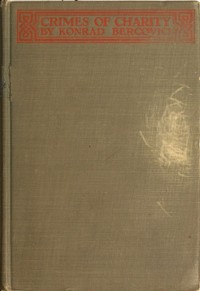
Crimes of Charity by Konrad Bercovici
Konrad Bercovici's Crimes of Charity pulls back the curtain on a world we rarely see. Published in 1917, it feels shockingly modern in its questions about power, poverty, and who gets to decide what 'help' looks like.
The Story
The book follows a young, idealistic man who takes a job as an inspector for a large, well-respected charitable organization in New York City. His job is to visit the homes of the poor, assess their needs, and decide if they deserve aid. He starts out believing he's a force for good. But the reality is a brutal awakening. He's trained to be suspicious, to look for fraud, and to enforce strict, often humiliating, rules. He watches as his colleagues wield their power not to uplift, but to control and punish. The 'crime' in the title isn't about stolen money—it's about the slow, systemic violence of a charity that cares more about its own rules than the people it's supposed to serve.
Why You Should Read It
This book got under my skin. Bercovici, himself an immigrant, writes with a clear-eyed anger that's impossible to ignore. The characters aren't cartoon villains; they're ordinary people convinced they're doing the right thing, which makes the whole situation more chilling. It’s a masterclass in showing how bureaucracy can crush compassion. Every time the inspector has to deny a desperate family aid over a technicality, you feel it. It made me think hard about my own assumptions about charity and poverty. It's not a feel-good read, but it's a necessary one.
Final Verdict
Perfect for readers who love historical fiction with a strong social conscience, like the works of Upton Sinclair or Charles Dickens. If you enjoy stories that explore moral gray areas and the flaws of institutions, you'll find this fascinating. It's also a great pick for book clubs—trust me, you'll have plenty to talk about. Just be prepared: after reading this, you might never look at a 'giving' campaign the same way again.
This content is free to share and distribute. It is now common property for all to enjoy.
Matthew Jackson
1 year agoEnjoyed every page.
Michelle Lopez
1 year agoThe fonts used are very comfortable for long reading sessions.
Steven Smith
7 months agoBased on the summary, I decided to read it and the author's voice is distinct and makes complex topics easy to digest. One of the best books I've read this year.





Edward Johnson
7 months agoSolid story.