
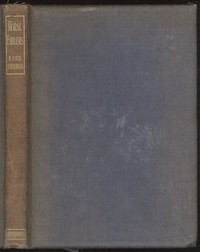
Moral Emblems by Robert Louis Stevenson
Let's get this straight: Moral Emblems isn't a novel. It's not even a proper book by today's standards. In the 1880s, Stevenson, already famous, got his hands on a small printing press. For fun, he created these pamphlets—short, illustrated poems with ‘morals’ attached. This collection gathers those playful, private projects.
The Story
There isn't one continuous plot. Instead, think of it as a series of short, sharp sketches. Each 'emblem' pairs a simple woodcut image (often carved by Stevenson himself) with a rhyming poem. The titles tell you everything and nothing: 'See how the children in the print...', 'The careful angler chose his nook...'. A poem might show a man falling off a ladder while stealing apples, or sailors shipwrecked. The 'moral' at the end is the punchline, but it's rarely the simple 'crime doesn't pay' you'd expect. Stevenson twists it. The lesson might be oddly specific, strangely forgiving, or highlight the absurdity of the situation rather than condemning it. The 'story' is in watching a brilliant writer poke fun at the whole idea of moralizing tales.
Why You Should Read It
This book is a secret handshake. It shows you the Robert Louis Stevenson not constrained by publishers or public expectation. Here, he's just a guy in his garden shed, inking blocks of wood and making jokes. The charm is in its roughness and its wit. You get to see his love for rhythm and rhyme in its purest, most unpolished form. More importantly, you see his humanity—a man who understood that life is too messy for simple morals. The poems are funny, sometimes dark, and always clever. It reminds you that great writers aren't just their masterpieces; they're also the silly, experimental stuff they do for the joy of it.
Final Verdict
Perfect for Stevenson fans who want to see the man behind the classics, or for anyone who enjoys literary curiosities and a good, dry laugh. It’s a 15-minute read that’s more of an experience than a story. Don't come looking for Long John Silver. Come looking for the twinkle in the author's eye. You'll find it on every page.
This masterpiece is free from copyright limitations. Use this text in your own projects freely.
Michelle Robinson
1 year agoFast paced, good book.
Kenneth Jackson
11 months agoEnjoyed every page.
Anthony Harris
1 year agoBased on the summary, I decided to read it and the depth of research presented here is truly commendable. Absolutely essential reading.
Daniel Robinson
1 year agoI stumbled upon this title and the plot twists are genuinely surprising. Absolutely essential reading.
Mary Martin
8 months agoLoved it.